By Craig Rucker
August 20th, 2023 @ CFACT
115 Comments
America
is preparing to spend trillions of taxpayer and ratepayer dollars to
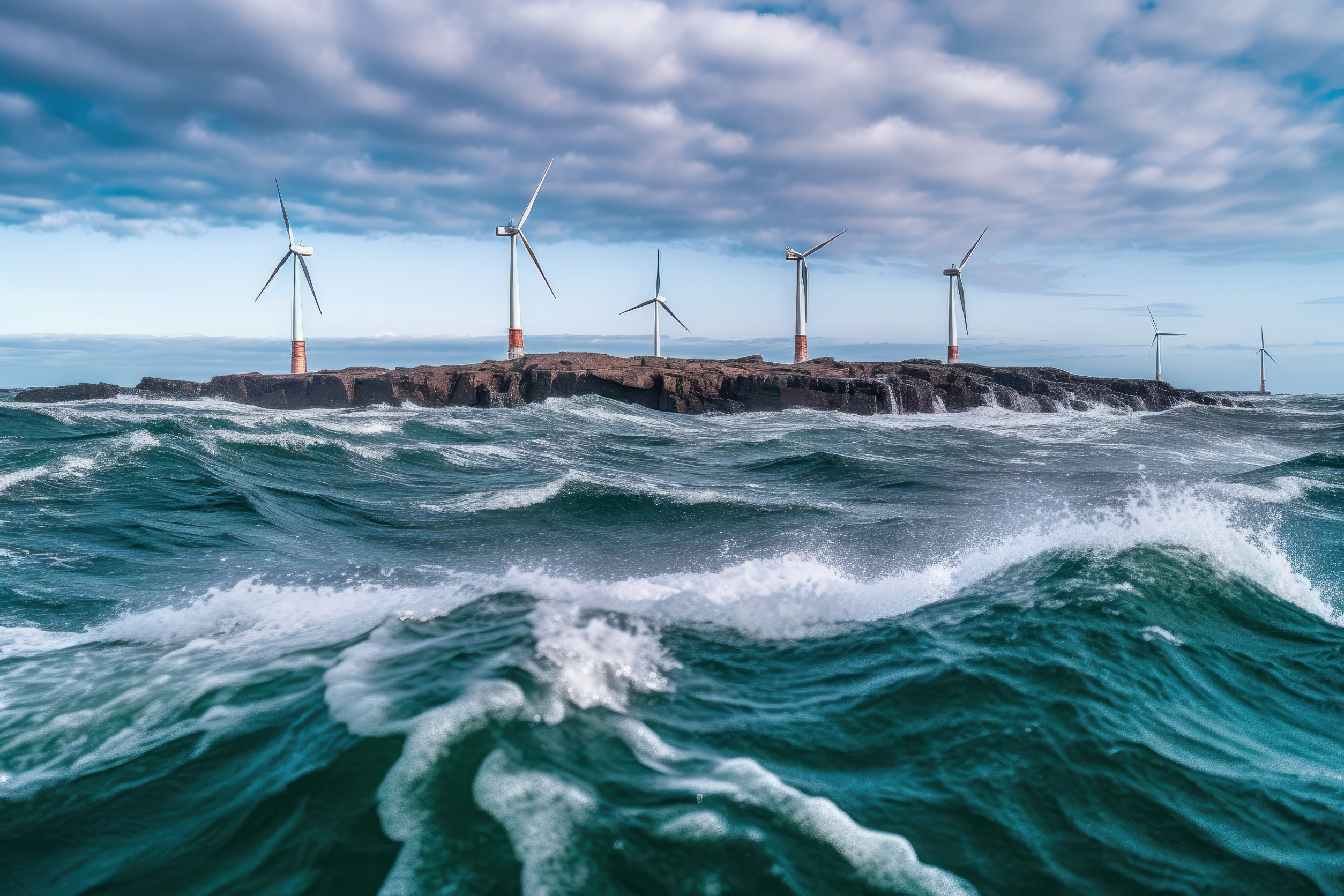
install thousands of offshore wind turbines – for illusory benefits.
Advocates claim offshore wind energy is clean and sustainable. Wind
itself certainly is, but that doesn’t mean getting energy from wind is.
A
single 12 MW (megawatts) offshore wind turbine is taller than the
Washington Monument, weighs around 4,000 tons, and requires mining and
processing millions of tons of iron, copper, aluminum, rare earths, and
other ores, with much of the work done in Africa and China using fossil
fuels and near-slave labor.
Relying on wind just to provide electricity to power New York state
on a hot summer day would require 30,000 megawatts. That means 2,500
Haliade-X 12 MW offshore turbines and all the materials that go into
them. Powering the entire U.S. would require a-100 times more than that.
These numbers are huge, but the situation is actually much worse.
This is because offshore turbines generate less than 40% of their
“rated capacity.” Why? Because often there’s no wind at all for hours or
days at a time. This requires a lot of extra capacity, which means many
more windmills will have to be erected to charge millions of huge
batteries, to ensure stable, reliable electricity supplies.
Once constructed, those turbines would hardly be earth-or
human-friendly, either. They would severely impact aviation, shipping,
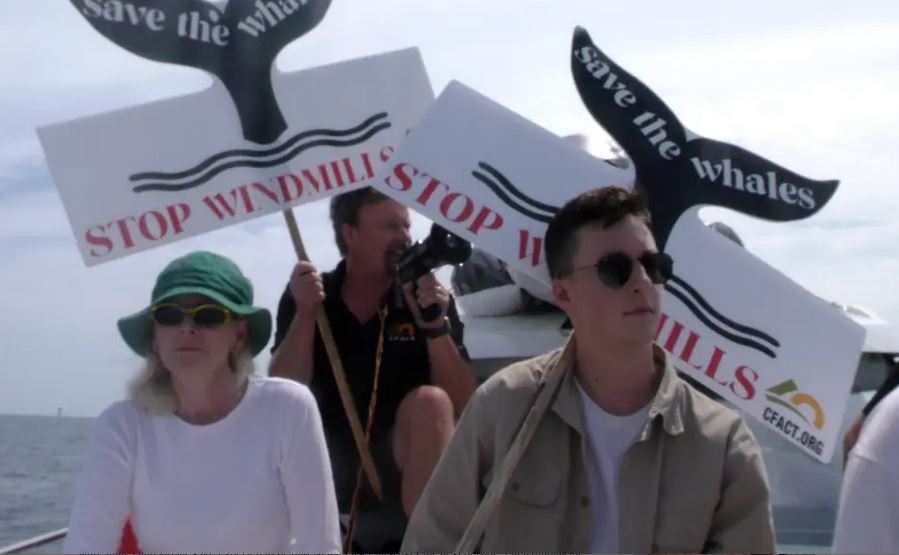
fishing, submarines, and whales. They’re hardly benign power sources.
“But,” say wind proponents, “wind energy is our salvation, because it
will cut down on CO2 emissions and protect us from the greatest threat
to Mother Earth – global warming!”
Sounds reasonable … at least to those who suffer from climate anxiety. But not so fast.
A new study by energy analyst David Wojick devastates this repeatedly invoked justification for offshore wind. His report, “How Offshore Wind Drives Up Global Carbon Emissions,” explains why adding offshore wind to our energy mix “will likely increase global CO2 emissions.”
First, notes Wojick, any local CO2 reduction from offshore wind
turbines will be small, because intermittent winds force gas-fired
backup power plants we rely on now into up-and-down generation mode,
hour after hour, day after day, and remain in standby mode otherwise.
That highly inefficient arrangement burns excess fuel and emits excess
CO2.
Second, building huge offshore wind facilities requires mining,
processing, smelting, fabrication, installation, repair, replacement,
decommissioning, landfilling – and transportation every step of the way.
Almost everything up to installation is increasingly done overseas,
nearly 100% with fossil fuels and few emission controls.
That’s because the U.S. sets much higher standards than in Africa,
Asia, and Latin America for mining permits, coal and gas use,
environmental protection, workplace safety, wages, and human rights.
Dr. Wojick reviews New Jersey’s plan for 11,000 MW of offshore wind
power. That’s if the electricity turbines could generate if the wind
blows 24/7, instead of the more likely one-third of the time annually.
But that “nameplate capacity” would require 917 Haliade-X or 1,834 6 MW
turbines, assuming coastal residents don’t veto them.
Suppose the 6 MW behemoths utilize monopile towers some 30 feet in
diameter and 300 feet long, fixed to the seafloor and used to support
the rotor and three 300-foot blades. Each tower would weigh around 2,500
tons before being filled with almost 15,000 tons of concrete.
Making steel and cement for such monstrosities, Wojick notes, would
require enormous amounts of energy, resulting in extensive CO2
emissions. Just producing those materials would cause about 14,000 tons
of CO2 per monopile.
That means every 1,000 monopiles would result in 14,000,000 tons of
CO2 just for the steel and concrete – not including the other wind
turbine and electricity transmission components.
None of that includes materials for the gas-fired generators or
millions of battery modules that would be needed to stabilize New
Jersey’s electrical grid and back up turbines every time the wind dies
down or gets so strong during storms that turbines must be idled.
In addition, a no-fossil fuels economy would require electricity
generation, electric vehicles, home heating, water heating, and cooking –
all dependent on wind (and solar) power – and batteries that must be
charged constantly by those same sources.
That means today’s electricity requirements – and raw materials
demands – would have to be doubled or tripled to run a Net Zero society.
Those clamoring about a “climate crisis” maintain it’s a global
problem. Therefore, any proposed solution should thoroughly and
carefully examine raw material requirements, mining needs, costs, and
global benefits, all through landfilling turbine blades and other
non-recyclable components.
Dr. Wojick’s study exposes the frightening fact that an honest,
complete analysis of offshore wind costs and benefits, including
purported atmospheric CO2 reductions, has never even been attempted.
This article originally appeared at Real Clear Energy
Author

Craig Ruckeris a
co-founder of CFACT and currently serves as its president.
View all posts
Crucker@cfact.org




 By Craig Rucker, President of