April 12, 2021 By Michael D. Shaw @ HealthNewsDigest
You are probably
familiar with the notion that Vitamin D is necessary for the proper
functioning of the immune system. This article will expand on that
concept, especially in light of the COVID-19 pandemic. Two types of this
vitamin exist: D2 (primarily sourced from plants) and D3 (sourced form
animals). By virtue of liver metabolism, D2 becomes 25-hydroxyvitamin D2
and vitamin D3 becomes 25-hydroxyvitamin D3. These two compounds are
collectively known as calcifediol, and that is the main circulating form
of Vitamin D. Blood tests reflect the level of this nutrient.
Since D3 is more effective than vitamin D2 at raising blood levels of calcifediol, we will focus on D3.
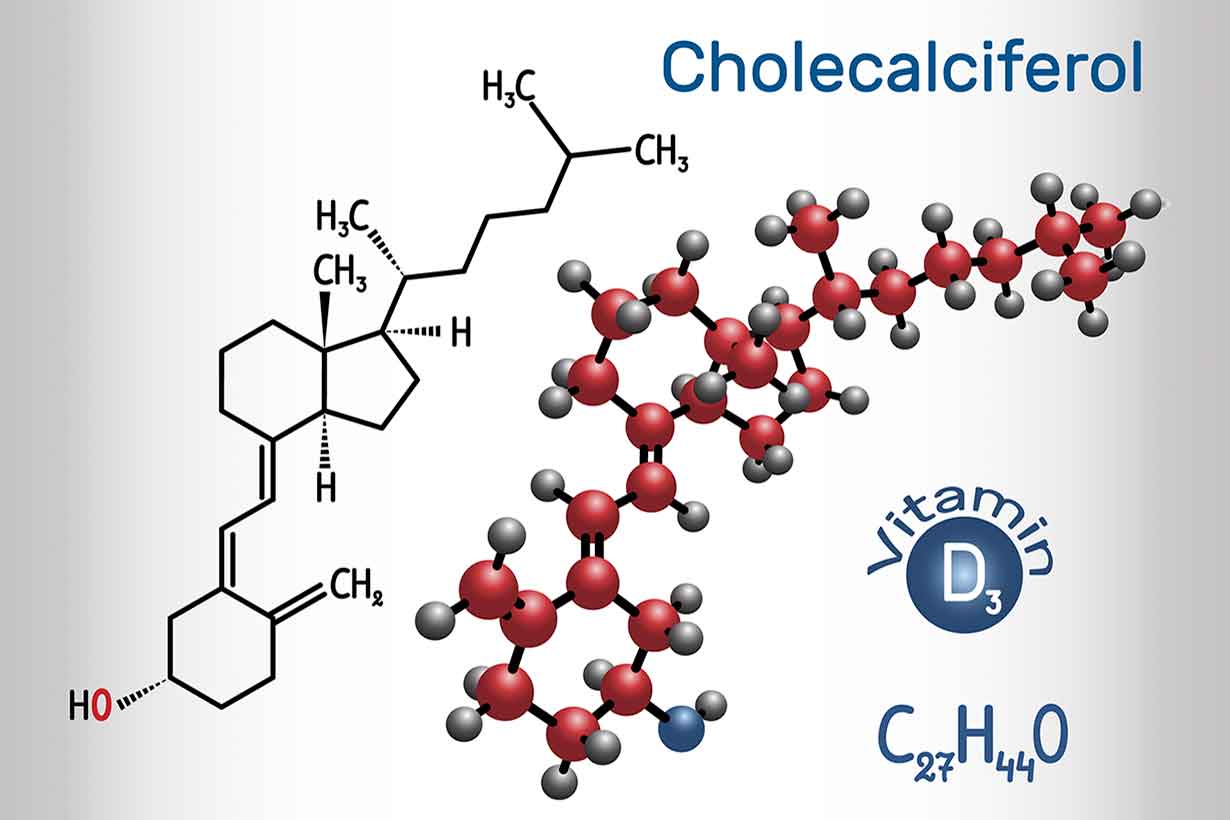
Vitamin D3 aka cholecalciferol is produced in the skin from 7-dehydrocholesterol by UV irradiation (from sunlight). By its mode of action, it is properly regarded as a prohormone.
However, adequate sunlight can be limited by several factors, not the
least of which are simply the realities of climate and latitude. As a
result, it is estimated that 1 billion people have vitamin D deficiency or insufficiency worldwide.
It has been noted by Dr. Ryan Cole
and others that the only reason a “cold and flu season” exists is that
during that season, the role of sunlight in producing Vitamin D is
severely diminished.
While Vitamin D deficiency is traditionally identified with rickets, it has been implicated in a host of other conditions. More recently, Vitamin D3’s importance in the immune function has been recognized. Interestingly, sunlight and cod liver oil (both sources of the vitamin) were indicated in the treatment of tuberculosis, long before Vitamin D was identified in the 1930s.
As to the Immune function, the Vitamin D receptor is present in most
cells of the immune system, including T lymphocytes, neutrophils, and
antigen-presenting cells, such as macrophages and dendritic cells. It
also acts directly on T lymphocytes to inhibit T-cell proliferation.
Vitamin D may suppress cytokine production
by simultaneously boosting the innate immune system and reducing the
overactivation of the adaptive immune system in response to increased
viral load.
A “cytokine storm”
is a severe immune reaction in which the body releases too many
cytokines into the blood too quickly. This can lead to multiple organ
failure and death. These “storms” have been implicated
in COVID-19 deaths. While expensive immunosuppressive drugs have been
employed in these cases, it may be prudent to consider Vitamin D’s role
in regulating this process.
It has been suggested–since
at least September, 2020–that a deficiency in Vitamin D was linked to a
much greater chance of death from COVID-19. Yet, amid the constant
calls for masking and distancing, not an official word was uttered
regarding the importance of maintaining adequate Vitamin D levels.
Worse, many commentators plant false fears with warnings of the dangers
of over-supplementation, even if this has been debunked.
The term “Therapeutic Nihilism” aptly describes official public
health’s suppression of ivermectin and Vitamin D supplementation, while
briefly touting the expensive and far-from-impressive proprietary drug
Remdesivir. In essence, we were supposed to hide out, try not to get
sick, and wait for the panacea of a vaccine. Notwithstanding the
observed and largely ignored sometimes serious side effects of the
vaccines, hundreds of fully vaccinated people have contracted COVID-19, and a small number of those have died.
To make matters worse, the “experts” insist that even people who have
survived COVID-19 should still get vaccinated. Such a course has been attacked
as risky since “[I]t is an almost certain immunological prognostication
that if viral antigens are present in the tissues, any tissues, of
subjects who undergo vaccination, the antigen specific immune response
triggered by the vaccine will target those tissues and cause
inflammation and damage beyond the local anatomic site of vaccine
placement.”
Therapeutic nihilism, indeed.